Equipment and energy use
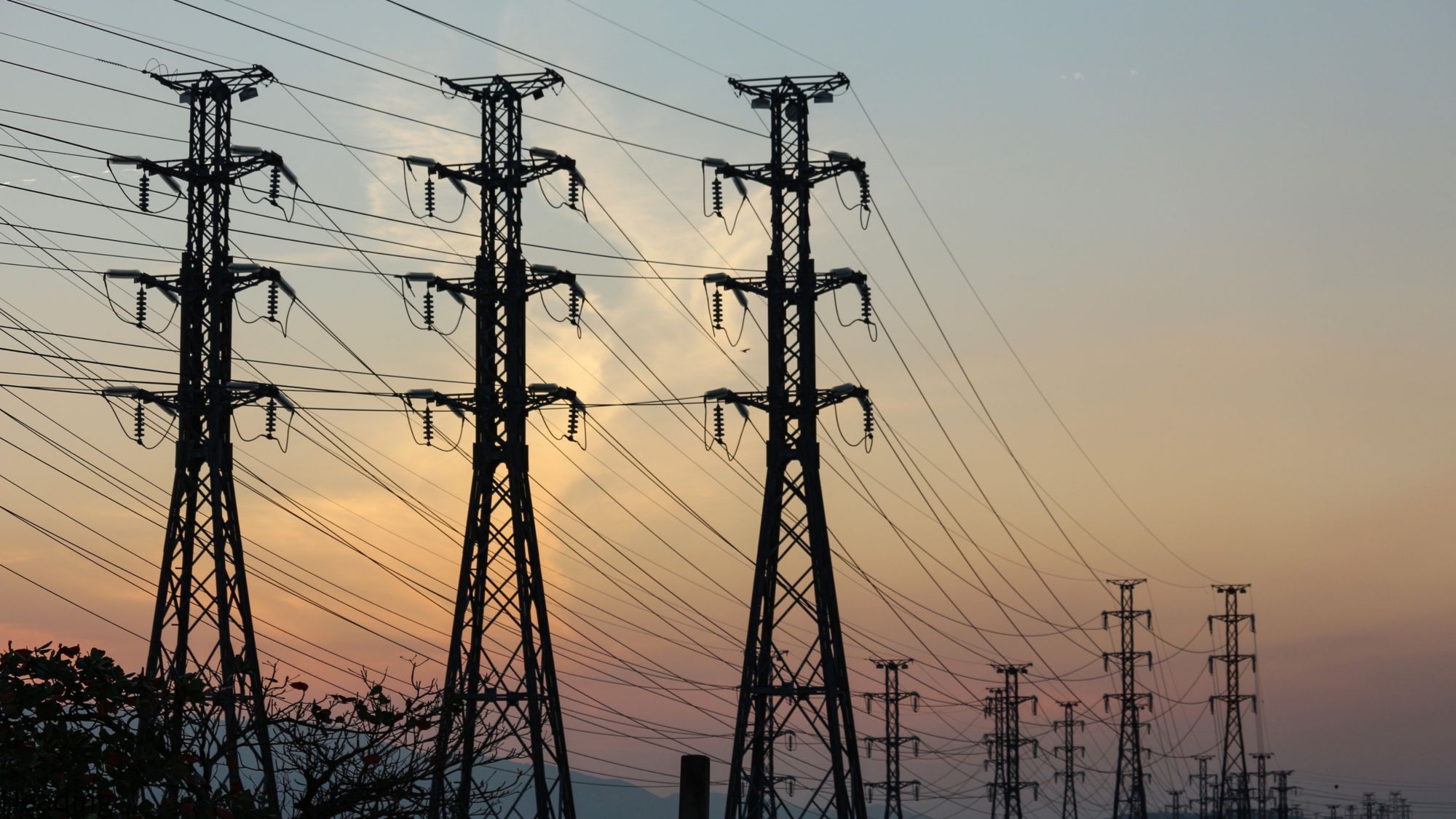
Lab equipment is often energy-intensive, but small changes by lab users can make a big difference.
- Routinely clean out lab spaces and put items that are not in use into storage.
- Select energy-efficient equipment.
- Conduct routine preventative maintenance on equipment.
- Turn off equipment and computers when safe to do so.
- Use plug-in timers for equipment like water baths, which need to be left on during for long periods.
- Keep sashes down on older model fume cupboards when not in use.
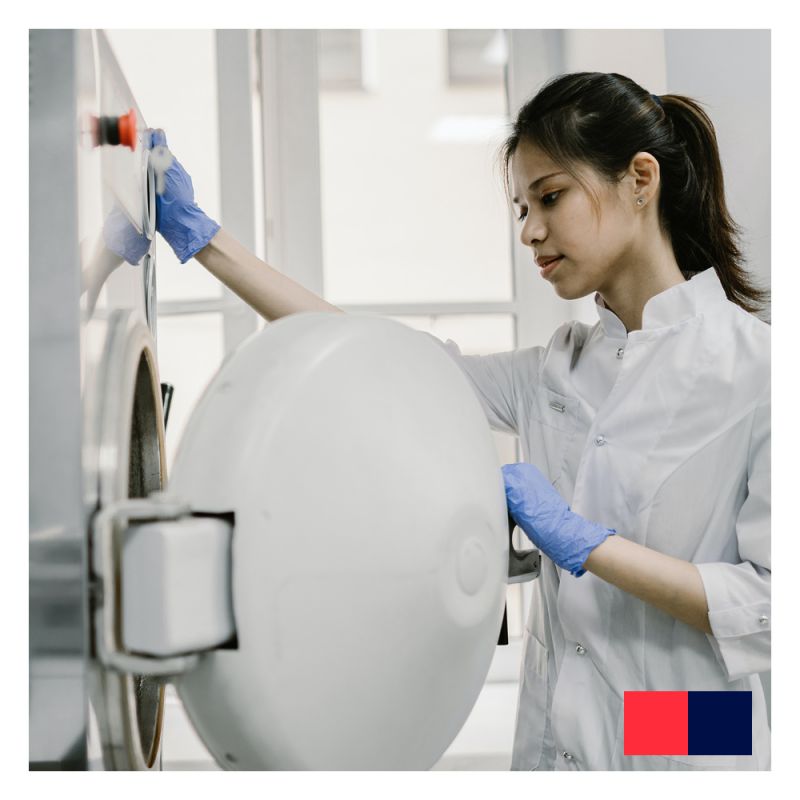
- Only run autoclaves with full cycles and keep them in standby mode when not in use.

Cold storage
Implementing these simple actions can significantly enhance freezer performance and lower energy consumption.
- Labelling and dating all items stored in freezers.
- Cleaning out freezers regularly.
- Routinely defrosting freezers.
- Routinely cleaning freezer’s heating coils.
- Not storing items on top of freezers.
- Setting ultra-low temperature freezers to -70°C instead of -80°C, where it is safe to do so.
Interested in being recognised for your sustainability efforts? Take part in the International Freezer Challenge and give your lab the chance to earn awards for reducing energy use.
Fume cabinet
If you are interested in updating your old fume cabinet, please contact sustainable-campus@unimelb.edu.au

Water use
Lab users can turn down the tap on the amount of water required for their work.
- Only use specialist water types such as Reverse Osmosis (RO) and Ultrapure (also called Mq) when necessary for safety or research quality.
- Only run glassware washers with full loads and use energy-saving cycles when possible.
- Fit lab taps with aerators.
Data management
Computational lab users can take steps to reduce their carbon footprint:
- Thoughtfully plan quality code and experiments to minimise excess data storage and transfer.
- Consider the timing of tasks to align with off-peak energy consumption to minimise the carbon intensity of running a process.
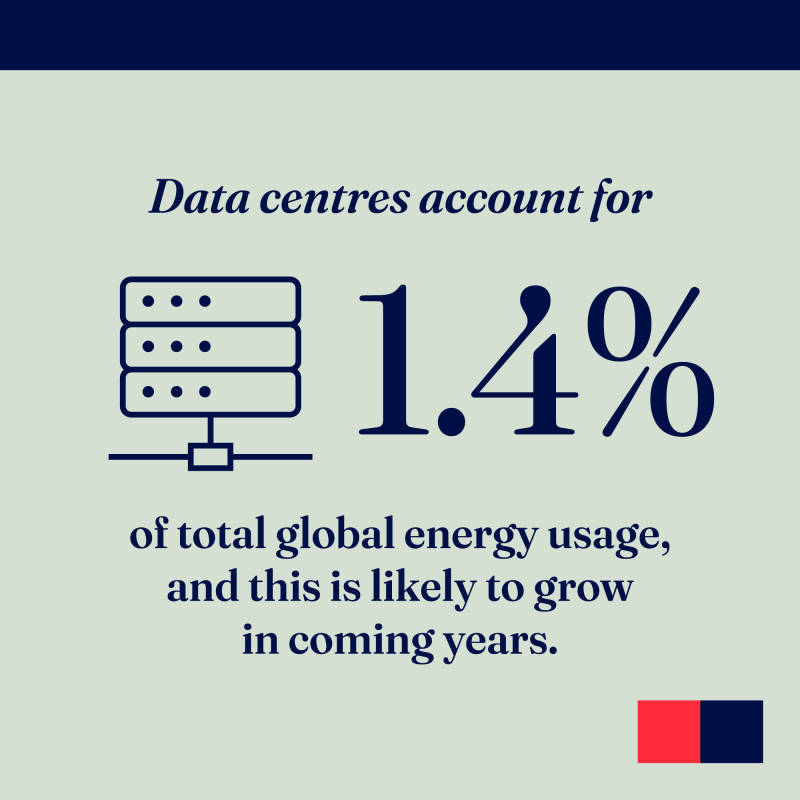
Source: International Energy Agency 2023
The amount of regulated waste produced by universities in Australia is increasing. Regulated waste is waste that cannot safely be disposed of in landfill, including chemical, pathological, radioactive, biohazardous, clinical, animal, and pharmaceutical waste.
(TEFMA 2023 Benchmarks Publication)
Lab waste streams and recycling
Lab users can reduce their regulated waste:
- Thoughtfully plan quality experiments to use the minimum volumes of hazardous materials and generated waste.
- Follow Green Chemistry principles when planning experiments with chemicals.
- Separate recyclable non-regulated waste streams when safe to do so. This can include removing packaging material outside lab workspaces to prevent unnecessary items being treated as regulated waste.
- Reduce regulated waste by improving lab waste stream management and adopting recycling, circular economy practices, and resource sharing.
Best lab practices and circular economy
- Use the network of shared research platforms
- Register equipment on the iLab platform and share equipment with other lab groups, where possible.
- Keep chemical inventories up to date on the Chemwatch GoldFFX database and share chemicals with other lab groups, where possible.
- Donate lab equipment that is working but no longer needed to program like the Phoenix Schools Program.
- Check the furniture reuse store before buying new lab furniture, and consider donating unwanted furniture.
The circular economy is a model of production and consumption, which involves sharing, leasing, reusing, repairing, refurbishing and recycling existing materials and products for as long as possible. In this way, the life cycle of products is extended, reducing waste to a minimum.
European Parliament, Circular economy: definition, importance and benefits, 2025 [cited 2025 4th November]
Do you have an idea to improve the sustainability of your lab?
Please contact sustainable-campus@unimelb.edu.au to share lab sustainability ideas relevant to your discipline.